
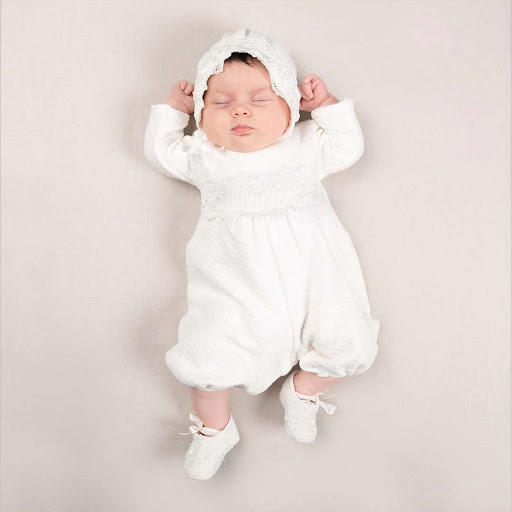
Welcoming a newborn into the world is one of life’s most joyous moments. With this new chapter comes the responsibility of ensuring that your baby is comfortable, safe, and well-cared for. One key aspect of this is selecting the right clothing for your newborn. Newborn apparel is not only about fashion but also about functionality, comfort, and safety. This article explores the various factors that parents should consider when choosing clothing for their newborns, the types of garments available, and best practices for selecting and caring for these clothes.
1. The Importance of Choosing the Right Newborn Apparel
Newborns, particularly in their first few months, have sensitive skin and delicate bodies that require extra attention and care. The right clothes play a pivotal role in ensuring that babies are comfortable, warm, and safe. Factors such as fabric choice, sizing, ease of dressing, and seasonality are all essential considerations.
1.1 Skin Sensitivity
A newborn’s skin is thin, delicate, and highly susceptible to irritation. It is crucial to choose soft, hypoallergenic fabrics that won’t irritate or cause discomfort. Cotton is often the fabric of choice because of its softness, breathability, and ability to absorb moisture. Fabrics with synthetic blends, especially those containing polyester, should be avoided, as they can trap heat and moisture, leading to potential skin rashes or discomfort.
1.2 Comfort and Safety
Newborns are not yet able to regulate their body temperature as effectively as adults. It is important to dress them in clothing that helps maintain a comfortable body temperature. Overdressing can lead to overheating, while underdressing can cause your baby to get too cold. For safety, it’s essential to ensure that clothes do not have small parts like buttons or zippers that could pose a choking hazard. Also, garments should not be too tight, which could restrict movement or circulation.
2. Types of Newborn Apparel
Newborn clothing comes in a wide range of styles and options. Each item serves a unique function, whether it’s for warmth, ease of dressing, or for special occasions. Here are some of the most essential items in a newborn’s wardrobe.
2.1 Bodysuits (Onesies)
Bodysuits, commonly known as onesies, are staple items in every newborn’s wardrobe. These all-in-one garments cover the baby’s torso and diaper area, providing both warmth and coverage. They typically have snap fasteners at the crotch, making them easy to change. Available in short-sleeve and long-sleeve varieties, bodysuits are versatile enough to be worn as an underlayer or as a standalone piece.
Key Considerations:
- Look for soft cotton onesies with wide necklines to make dressing easier.
- Choose onesies that have fold-over cuffs to prevent babies from scratching their faces.
2.2 Sleepers and Pajamas
Sleepers are one-piece garments designed for nighttime use. They are often made of soft, breathable fabrics to keep the baby comfortable while sleeping. Many sleepers come with foot covers to keep tiny feet warm and cozy. The full-body design of sleepers ensures that your baby is comfortably snuggled and protected throughout the night.
Key Considerations:
- Choose sleepers that have zippers or snaps for easy diaper changes without disturbing the baby.
- Footed sleepers can be beneficial in colder weather, while footless varieties are great for warmer months.
2.3 Swaddle Blankets
Swaddling is a common practice to help newborns feel secure and comfortable. A swaddle blanket is designed to wrap around the baby, providing a snug fit that mimics the womb. This can help calm a fussy baby and promote better sleep.
Key Considerations:
- Opt for breathable fabrics such as cotton muslin or organic cotton to avoid overheating.
- Ensure the blanket is not too tight around the baby’s chest or hips, which could cause discomfort or developmental issues.
2.4 Hats and Caps
A newborn’s head is quite sensitive, and keeping it covered helps regulate their body temperature. Hats and caps are particularly useful in colder months, but even in warmer weather, lightweight hats can offer sun protection for the baby’s soft skin.
Key Considerations:
- For colder weather, opt for knitted hats that provide warmth.
- For summer months, choose light cotton hats with UV protection.
2.5 Mittens and Booties
Newborn mittens help prevent babies from scratching their faces with their sharp nails, which they have little control over. Booties, on the other hand, keep tiny feet warm, especially during colder months. Many sets come in coordinating pairs with hats and bodysuits, making them a cute and practical addition to a newborn’s wardrobe.
Key Considerations:
- Choose mittens and booties that are soft, stretchy, and easy to put on and take off.
- Ensure that the elastic is not too tight around the wrists or ankles to avoid restricting circulation.
2.6 Outerwear
When taking your baby outdoors, especially in cooler weather, outerwear becomes essential. Choose lightweight, insulated jackets or coats that are easy to put on and remove. Layering is key, so a soft fleece jacket or a down snowsuit can be useful for colder climates.
Key Considerations:
- Always check that the outerwear is breathable and not too bulky to avoid restricting movement.
- Consider a baby carrier-friendly jacket that provides extra warmth while allowing you to carry your newborn comfortably.
3. Sizing and Fit
Newborn clothing sizes can vary depending on the brand, but most clothing is categorized into standard sizes like “Preemie,” “Newborn,” “0-3 months,” “3-6 months,” etc. It’s important to keep in mind that newborns grow very quickly, so you may not need to buy too many clothes in the smallest size.
3.1 Preemie Clothing
For babies born prematurely, specialized preemie clothing is available. These garments are made to fit smaller babies who may not yet fit into standard newborn sizes. Preemie clothing typically has softer fabrics and adjustable closures to ensure a snug, secure fit.
3.2 Growth Spurts
Newborns typically go through rapid growth spurts, so it’s wise to purchase clothes that accommodate this. It is often recommended to buy clothes that are slightly larger than the baby’s current size to ensure they can wear them for longer.
Key Considerations:
- Avoid buying too many clothes in one size; instead, aim for a mix of sizes for the coming months.
- Consider purchasing clothes with adjustable features, such as snaps or stretchy waistbands, for a more flexible fit.
4. Seasonal Considerations
The season in which your baby is born will influence the type of clothing you need. Let’s break down the apparel requirements for both colder and warmer weather.
4.1 Summer Newborn Apparel
For babies born in the summer, lightweight cotton clothing is the best choice. Soft short-sleeve bodysuits, rompers, and lightweight hats will keep your baby cool and comfortable while protecting their sensitive skin from the sun. Always dress your baby in layers and avoid overdressing to prevent overheating.
Key Considerations:
- Dress your baby in light, breathable fabrics like cotton or linen.
- Use baby-safe sunscreen and hats to shield them from direct sunlight.
4.2 Winter Newborn Apparel
For babies born in colder months, it’s crucial to ensure that they are kept warm and cozy. Layering becomes important, as it helps regulate your baby’s body temperature. Fleece-lined sleepers, thick knit hats, and insulated outerwear will help protect your baby from the cold.
Key Considerations:
- Layer clothes to help trap warmth but avoid overdressing.
- Make sure outer garments are easy to remove when entering warmer environments to prevent overheating.
5. Fabric Choices: What to Avoid
As mentioned earlier, newborns have sensitive skin, so fabric choice is incredibly important. While cotton is the most recommended fabric due to its softness and breathability, there are certain fabrics that should be avoided.
5.1 Synthetic Fabrics
Fabrics like polyester, acrylic, and nylon may not be ideal for newborns. These materials tend to trap moisture and heat, leading to discomfort and even rashes. They also lack the breathability that cotton provides.
5.2 Rough Textures
Avoid clothing made from fabrics with rough textures or those that contain irritating synthetic dyes or finishes. Wool can be an irritant for some babies, so it should only be used in small amounts and layered over soft clothing.
6. Best Practices for Caring for Newborn Apparel
Newborn clothes are subject to frequent washes, so it’s essential to follow proper care instructions to ensure they remain soft and safe for your baby’s skin.
6.1 Washing
Before dressing your baby in new clothes, it’s always a good idea to wash them to remove any chemicals, dyes, or irritants that may be present. Always wash clothes in a mild, hypoallergenic detergent designed for babies’ sensitive skin.
6.2 Storing Clothes
Proper storage is also important. Keep your newborn’s clothing in a clean, dry space to avoid mildew and bacteria. Always fold clothes neatly and ensure they are free of wrinkles or creases that could irritate your baby’s skin.
7. Conclusion
Choosing the right newborn apparel is a critical step in providing your baby with comfort, warmth, and safety during their early months. By focusing on soft, breathable fabrics, proper sizing, and seasonal needs, parents can make informed choices that ensure their baby feels cozy and happy. From bodysuits and sleepers to hats and mittens, the right clothing helps foster a positive and enjoyable environment for your newborn as they adjust to life outside the womb.
8. Additional Tips for Parents
- Buy in moderation: Babies grow quickly, so it’s best to buy just enough clothing for the current size and a little extra for the next stage.
- Prioritize ease of use: Look for clothes with front or shoulder snaps and zippers that make dressing and diaper changes easier.
- Check for certifications: Organic cotton and OEKO-TEX certified fabrics are safer choices as they are free from harmful chemicals.
- Layer smartly: Use layers to easily adjust your baby’s warmth throughout the day and night.
- Keep clothes clean and safe: Always pre-wash new clothes to remove residues, and inspect regularly for wear or loose parts.
References
OEKO-TEX® Association. “Why OEKO-TEX® certification matters for baby clothes.†https://www.oeko-tex.com/en/our-standards/oeko-tex-standard-100
American Academy of Pediatrics (AAP). “Caring for Your Baby and Young Child: Birth to Age 5.†6th Edition. Bantam, 2019.
Mayo Clinic. “Newborn Care: Dressing Your Baby.†https://www.mayoclinic.org/healthy-lifestyle/infant-and-toddler-health/in-depth/newborn/art-20047273
National Health Service (NHS) UK. “How to dress your baby.†https://www.nhs.uk/conditions/pregnancy-and-baby/dressing-your-baby/
KidsHealth. “Newborn Clothes and Swaddling.†https://kidshealth.org/en/parents/newborn-clothes.html