
Showing 1–16 of 33 results
 $33.33 Select options This product has multiple variants. The options may be chosen on the product page
- Price range: $83.00 through $96.00 Select options This product has multiple variants. The options may be chosen on the product page
- $42.00 Select options This product has multiple variants. The options may be chosen on the product page
- Price range: $17.00 through $17.50 Select options This product has multiple variants. The options may be chosen on the product page
- $19.00 Select options This product has multiple variants. The options may be chosen on the product page
- Price range: $12.00 through $20.00 Select options This product has multiple variants. The options may be chosen on the product page
 $18.00 Select options This product has multiple variants. The options may be chosen on the product page
- Price range: $18.00 through $25.00 Select options This product has multiple variants. The options may be chosen on the product page
- Price range: $14.00 through $15.00 Select options This product has multiple variants. The options may be chosen on the product page
- $12.00 Select options This product has multiple variants. The options may be chosen on the product page
- Original price was: $40.00.$29.00Current price is: $29.00. Select options This product has multiple variants. The options may be chosen on the product page
- $17.00 Select options This product has multiple variants. The options may be chosen on the product page






Showing 1–16 of 33 results
You've viewed 16 of 33 products
Why Are Motor Skills Important for Children?
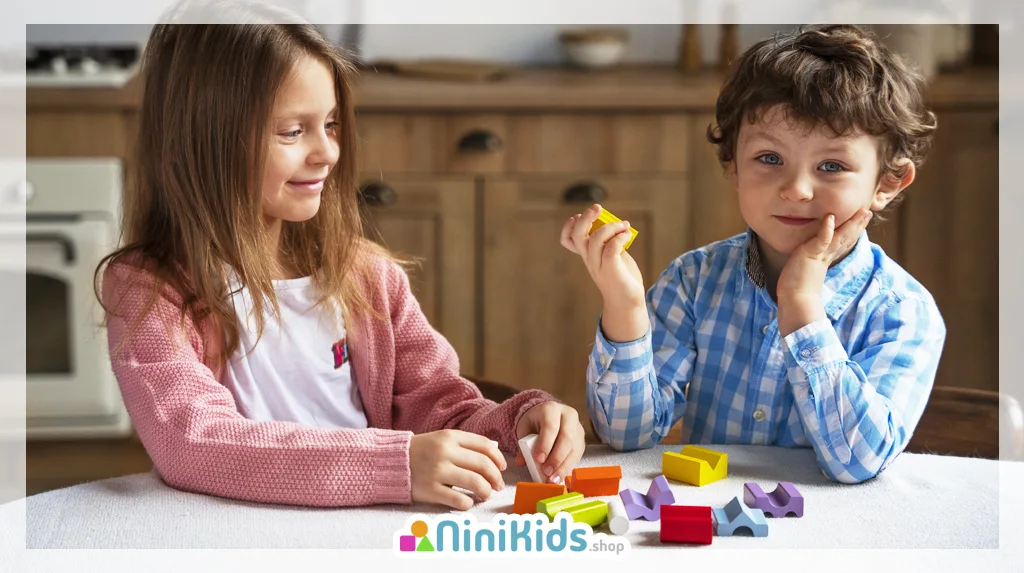
Motor skills help children interact with the world around them. Fine motor skills involve small movements of the hands and fingers, while gross motor skills involve larger body movements such as walking, climbing, and balancing. Developing these skills early helps children gain independence, improve concentration, and build confidence in everyday tasks.
Best Montessori Toys for Motor Development
Montessori-inspired toys encourage children to move, grasp, sort, stack, and manipulate objects independently. These activities strengthen coordination while making learning enjoyable and engaging.
- Busy Boards
- Shape Sorters
- Wooden Stacking Toys
- Peg Boards
- Lacing & Threading Toys
- Balance Boards
- Practical Life Tools
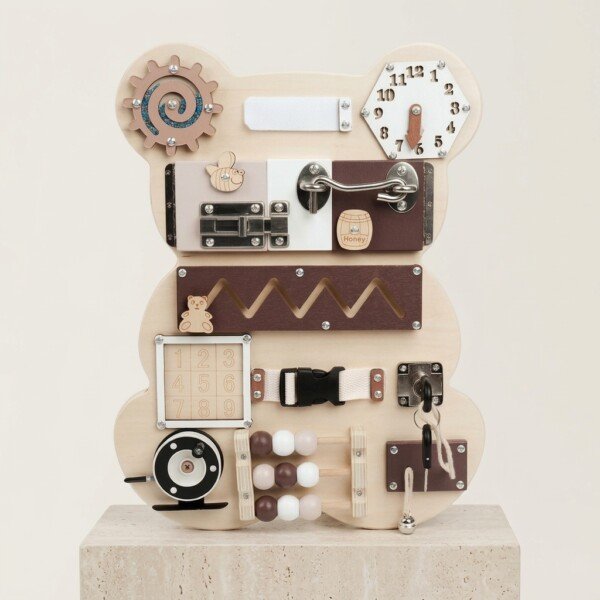
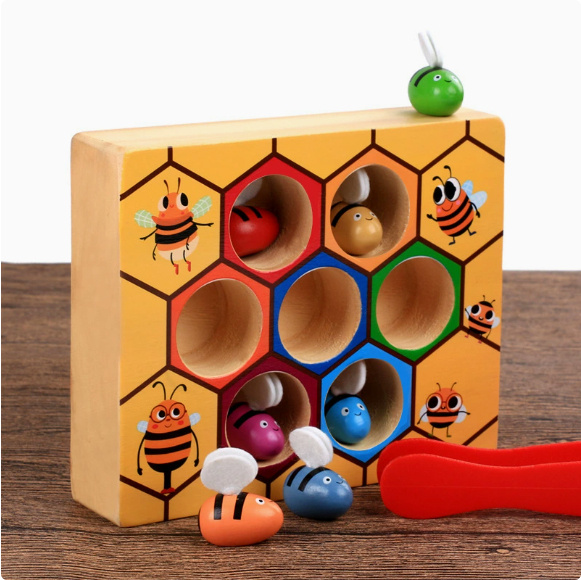
Busy boards encourage children to practice everyday movements such as buttoning, zipping, turning, and sliding, while shape sorters help develop hand-eye coordination, problem-solving, and object recognition. These open-ended activities keep children engaged while strengthening important motor skills through independent play.
How Montessori Toys Support Fine Motor Skills
Fine motor activities also lay the foundation for early learning. As children become more confident using their hands, they are better prepared for sorting, counting, and matching activities. You can also explore our Math & Counting Montessori Toys to help children build early numeracy skills through hands-on play.
Activities such as using a busy board, placing shapes into a shape sorter, or threading wooden pieces encourage children to strengthen finger control and coordination through repeated, purposeful movements.
How Montessori Toys Support Gross Motor Skills
Gross motor activities encourage children to move their whole body with confidence. Balance boards, stepping activities, pushing and pulling toys, and other movement-based materials help develop balance, coordination, posture, and overall body awareness while supporting active, healthy play.
More Than Physical Development
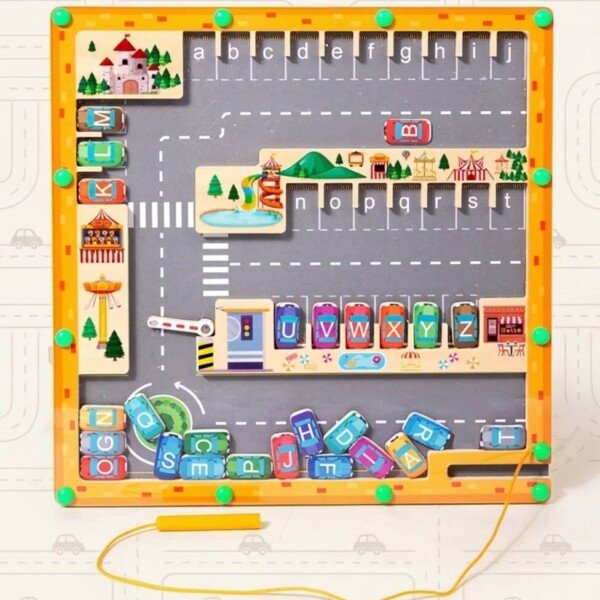
Motor development is closely connected to many other areas of learning. As children manipulate objects, follow instructions, and complete hands-on activities, they also strengthen communication, concentration, and early literacy skills. Explore our Language & Literacy Montessori Toys to support vocabulary, listening, and pre-reading development through purposeful play.
Choosing the Right Motor Skills Toy by Age
Children develop motor skills gradually, so choosing age-appropriate activities helps them stay engaged while building confidence through successful play experiences.
- 0-1 Years: Grasping and sensory toys
- 1-2 Years: Stacking and simple movement toys
- 2-3 Years: Shape sorters and threading activities
- 3-4 Years: Peg boards and balance activities
- 5+ Years: Advanced building and coordination challenges
Frequently Asked Questions
What are Montessori motor skills toys?
Montessori motor skills toys are hands-on learning materials designed to help children develop fine motor control, balance, coordination, and body awareness through purposeful play.
What is the difference between fine and gross motor skills?
Fine motor skills involve small hand and finger movements, while gross motor skills involve larger body movements such as walking, climbing, balancing, and jumping.
At what age should motor skills activities begin?
Motor skill development begins from birth. Simple sensory and grasping activities are appropriate for babies, while stacking, sorting, and movement activities become more suitable as children grow.
Do motor skills toys help with writing later?
Yes. Activities that strengthen hand muscles, finger control, and hand-eye coordination can help prepare children for drawing, writing, and other classroom tasks.